
When Jerome Abraham and Margaret Felker talk about their son, also named Jerome, they start by painting a picture of him as a young child.
They remember him having an outsized sense of empathy.
“When he was about six years old, I found him one afternoon sitting and crying. When I asked what was wrong, he said, ‘Dad, I just want to help the world, and I don’t know how to do it,’” Jerome says.
He was an honour roll student, a gifted athlete and on a clear path toward a potential future in professional hockey.
Everything changed when he was nineteen.
A car accident left him seriously injured and hospitalized for an extended period. During his recovery, he was prescribed morphine. What began as pain management soon became dependency and an addiction that would define the next thirteen years of his life.
“There came a time when I truly felt I was going to lose him. There just didn’t seem to be a way out,” said Jerome Sr. “For years, he was in and out of everything you can imagine. There wasn’t a drug he didn’t encounter. He was beaten, stabbed. You name it. He went through it.”
Then one afternoon, Jerome Jr. told his father plainly that he wanted help, and that he knew where to find it. That same day, he admitted himself to Discovery House in Penticton, British Columbia.
What followed was not a quick fix. He committed to a year in the House’s program. At the end of that year, Jerome Jr. had made such great progress that Discovery House offered him a job, an expression of trust that would alter not only his own life, but the lives of many others that he would go on to help.
He hit the ground running with the organization, eventually even rebuilding it to better serve the people who needed the most help. When Jerome entered the program, Discovery House consisted of a single, aging home that could only house four people at a time. Over the next thirteen years, he helped expand it into four homes serving thirty‑six residents. He raised funds, ran programs, built community partnerships and helped design a recovery model centered on long‑term stability rather than short‑term outcomes.
He understood something that some programs often struggle with: recovery does not end with getting sober. He realized that the people Discovery House was helping also needed life skills, accountability, employment support and community reintegration.
Under his leadership, Discovery House added transitional housing, financial literacy courses, job readiness training and ongoing mentorship, all designed to help residents rebuild their lives, not just survive the moment.
“When someone needed help instead of jail, he would stand up and take responsibility for them. These are people, not problems to be pushed out of sight. The community learned to work together instead of turning away,” Margaret says.
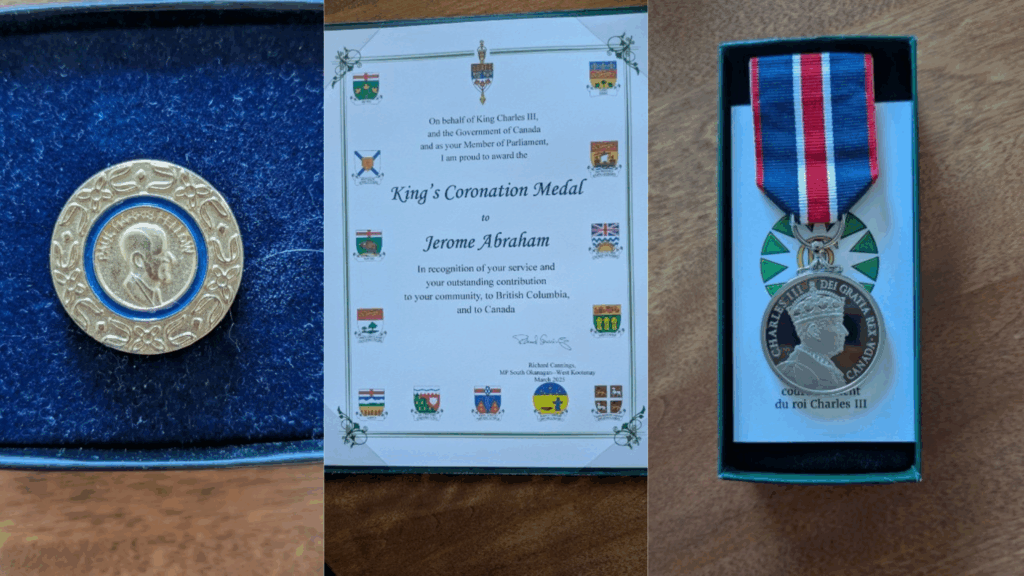
“He believed he needed to go through the journey himself in order to know how to help others,” Jerome Sr. says.
Jerome Jr. was diagnosed with cancer and passed away in March of 2024. His family takes solace in the impact he made and lives he touched through his work.
“If it weren’t for my son, a lot of these people wouldn’t be alive today,” Jerome says. “The work he did, the way he did it, was phenomenal. We are incredibly proud of him.”
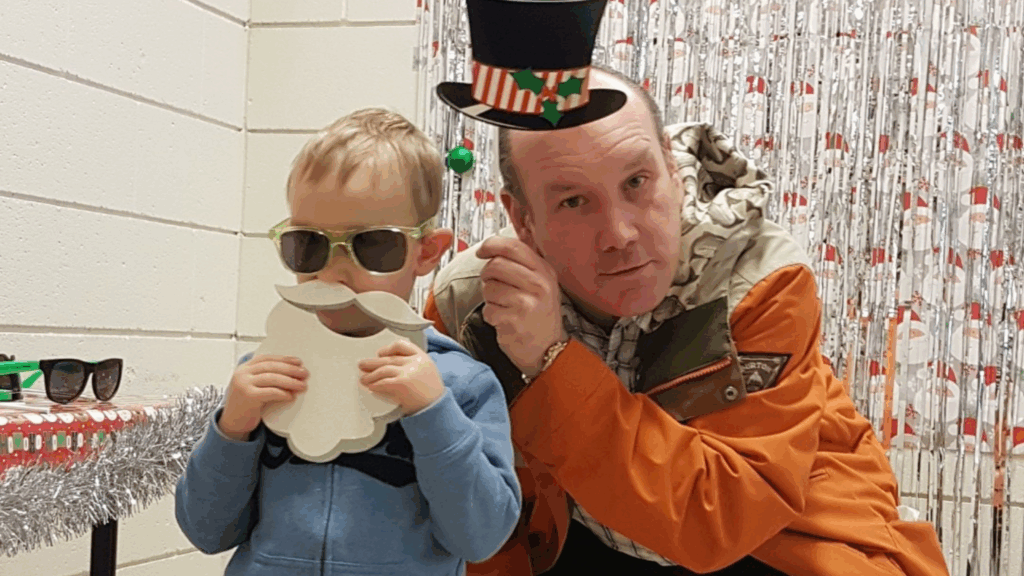
Discovery House continues to operate and grow. Fundraisers Jerome Jr. started still draw large crowds. The phrase “What would Jerome do?” has become a guiding mantra within the organization, showing just how influential he was. Jerome Jr.’s own son, now eleven, is regularly present at the houses, embraced by residents who see his father’s legacy reflected in the work they continue together.
Margaret and Jerome are clear-eyed about the harsh realities of the opioid crisis.
“People don’t always understand how easily this can happen to a family. This didn’t start with bad decisions. It started with a car accident and a prescription. Addiction doesn’t look the way people expect it to look,” Margaret says.